
Can DNA Evidence Alone Convict Someone of Murder in Los Angeles?
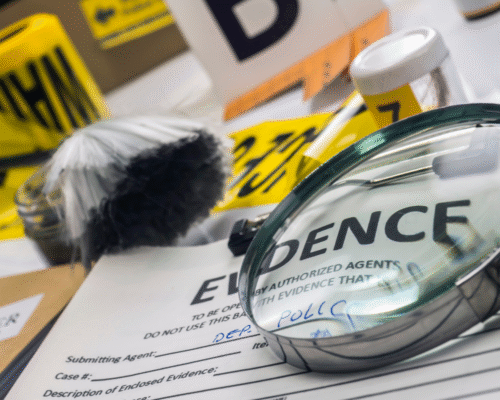
DNA evidence has become one of the most powerful tools in modern criminal prosecutions. In homicide cases across Los Angeles, prosecutors often rely heavily on forensic testing to link a suspect to a crime scene. But a critical question remains: can DNA evidence alone secure a conviction, or is more evidence required under California law?
The answer is nuanced. While DNA evidence can be compelling, it is not infallible, and it is rarely sufficient on its own to meet the burden of proof that criminal cases demand.
The Los Angeles murder defense attorneys at Werksman Jackson Quinn & Mason LLP defend clients in high-stakes cases where forensic evidence plays a central role. We have a very strong track record of success, and our results in high-profile cases have earned us a national reputation.
How DNA Evidence Is Used in Murder Cases
In a homicide prosecution, DNA evidence is typically used to:
- Place a suspect at a crime scene
- Link a suspect to a victim
- Connect physical evidence (such as clothing or weapons) to a defendant
This type of evidence is often presented as scientific and objective. Jurors may view it as highly reliable, especially when supported by expert testimony. But these cases are rarely as straightforward as they appear.
DNA does not tell the full story. For example, it cannot explain:
- When the DNA was deposited
- How it was transferred
- Whether it was connected to a criminal act
These limitations are critical when evaluating whether DNA alone is enough to convict.
Additional Evidence Is Used to Prove Guilt Beyond a Reasonable Doubt
In most cases, DNA evidence alone is not enough to convict someone of a serious crime. California law requires prosecutors to prove guilt beyond a reasonable doubt. This is the highest legal standard, and it generally requires more than a single type of evidence.
Without this supporting evidence, DNA alone may leave too many unanswered questions. While there is no absolute rule that prohibits a conviction based solely on DNA, courts and juries typically expect corroborating evidence, such as:
- Motive
- Opportunity
- Witness testimony
- Surveillance or digital evidence
- Statements made by the defendant
DNA Evidence Laws in California
The admissibility of DNA evidence is governed by established legal standards designed to ensure reliability.
The California Evidence Code
Under California law, evidence must be:
- Relevant to the case
- More probative than prejudicial
- Properly authenticated
DNA evidence must also be collected, stored, and analyzed according to strict protocols.
The Kelly-Frye Standard
California follows the Kelly-Frye standard (similar to the federal Daubert standard), which requires that:
- The scientific method used is generally accepted in the relevant field
- The technique has been properly applied
- The expert witness is qualified
The Importance of Corroborating Evidence
In strong cases, DNA is one piece of a larger puzzle, not the entire case.
Even when DNA evidence is admitted, prosecutors typically rely on additional evidence to build a case.
- Motive and Opportunity. Why would the defendant commit the crime? Did they have access to the location or the victim? These questions help provide context that DNA alone cannot.
- Witness Testimony. Eyewitnesses or cooperating witnesses may offer accounts that support the prosecution’s theory. However, these accounts are often subject to credibility challenges.
- Circumstantial Evidence. Phone records, financial activity, or surveillance footage can help establish a timeline and reinforce or contradict the DNA evidence.
The Limits of Forensic Evidence Reliability
Despite its reputation, DNA evidence is not immune to error. Questions about the reliability of forensic evidence have become increasingly important in criminal defense. These issues can significantly impact the reliability of DNA evidence in court.
Contamination
DNA samples can be contaminated at multiple stages:
- At the crime scene
- During collection
- In the laboratory
Even small errors can lead to misleading results.
Secondary Transfer
DNA can be transferred indirectly. For example, a person’s DNA may appear on an object they never touched directly, creating confusion about their involvement.
Misinterpretation
Complex DNA mixtures involving multiple contributors can be difficult to interpret. Analysts may reach different conclusions based on the same data.
Defense Strategies for Challenging DNA Evidence
An effective criminal defense strategy focuses on identifying weaknesses in the prosecution’s case and raising reasonable doubt.
- Challenging Collection and Handling. Defense attorneys examine whether proper procedures were followed during the collection and storage of evidence.
- Questioning Laboratory Methods. Errors in testing or analysis can undermine the reliability of results. Independent experts may be used to review the findings.
- Highlighting Alternative Explanations. Even if DNA is present, the defense can argue that it was deposited in a non-criminal context.
- Cross-Examining Expert Witnesses. Expert testimony can be powerful, but it is not immune to challenge. Effective cross-examination can expose assumptions, limitations, and uncertainties.
How Los Angeles Courts Evaluate DNA Evidence
Courts in Los Angeles are experienced in handling cases involving complex forensic evidence. Judges act as gatekeepers, ensuring that only reliable scientific evidence is presented to juries.
Once admitted, DNA evidence can carry significant weight. Jurors may view it as definitive unless the defense effectively challenges its reliability and context. This makes it critical to have a defense team that understands both the science and the law.
Speak With a Trusted Murder Defense Attorney in Los Angeles
If you are facing a case involving murder allegations in Los Angeles, do not assume the evidence is unquestionable. Werksman Jackson Quinn & Mason LLP has the experience, resources, and strategic approach needed to challenge forensic evidence and protect your rights.
Our legal team includes several former prosecutors. We understand the complexities of DNA evidence laws, forensic evidence reliability, and the tactics prosecutors use in high-stakes cases.
Werksman Jackson Quinn & Mason LLP will carefully analyze every aspect of your case and build a defense designed to create reasonable doubt.
Call (213) 688-0460 to learn more today.
FAQs About DNA Evidence in Murder Cases
Can someone be convicted of murder based only on DNA evidence in Los Angeles?
While it is legally possible, it is uncommon. Courts typically expect additional evidence, such as motive, opportunity, or witness testimony, because DNA alone may not fully explain how or when it was left at a crime scene.
What does DNA evidence actually prove in a murder case?
DNA evidence may demonstrate that a person was present at a location or had contact with a victim or object. However, it does not prove intent, timing, or whether a crime actually occurred.
Are there laws that regulate how DNA evidence is used in California courts?
Yes. DNA evidence laws in California require that forensic methods meet accepted scientific standards under the Kelly-Frye rule and comply with the California Evidence Code. This helps ensure the reliability and proper use of the evidence.
Can DNA evidence be wrong or misleading?
Yes. Issues such as contamination, secondary transfer, and misinterpretation of complex samples can affect the reliability of forensic evidence. These factors can lead to incorrect conclusions if not properly examined.
How do defense attorneys challenge DNA evidence in murder cases?
Attorneys may question how the DNA was collected, handled, and tested, as well as whether proper scientific methods were used. They may also present alternative explanations for how the DNA was deposited.
Have there been wrongful convictions involving DNA evidence?
Yes. Some wrongful convictions involving DNA evidence have occurred due to errors in interpretation, overstated conclusions by experts, or failure to consider other explanations. These cases highlight the importance of carefully evaluating all forensic evidence.
Contact Us
“We can handle any criminal case.
Anywhere. Anytime.”
What Our Clients Say
Previous Testimonial Next Testimonial- “Alan Jackson is hands down the best attorney we have worked with. Extremely professional, well liked in the court system and respected amongst all legal professionals. Took our calls at any given time and made himself available all the time.” - S.F. From Google Reviews
- “Perpetually impressed by the professionalism, thoroughness, follow through, and expertise that Mark Werksman, his fellow partners, and associates / admin staff all produce whenever I interact with them, professionally.” - Dru S.
- “Kelly is a brainiac. She's a certified criminal law appellate specialist - a rare achievement and qualification- and she fits into a very unique niche in criminal law. Her primary role at her firm (one of, if not THE best criminal defense firm in los angeles) is research and writer...” - Joseph W.
- “Having Alan Jackson as my lead attorney on 3 separate cases (one felony, and two misdemeanors) was the best decision of my life. I was facing 6-8 years in prison, and he was able to have all three charges dismissed. He's got the skills, connections, and the charisma to aid anyone in any situation...” - Anonymous